The value of ROS lies not only in theory but also in mastering the ability to build and debug complex robotic systems through practice. During the study process, learners need to complete full-process projects from 'simulation' to 'real hardware', for example:
Simulation Verification: Build robot models (URDF/Xacro) in Gazebo, simulate sensors (camera, LiDAR) and environmental interactions, and verify the feasibility of algorithms (such as path planning and obstacle avoidance).
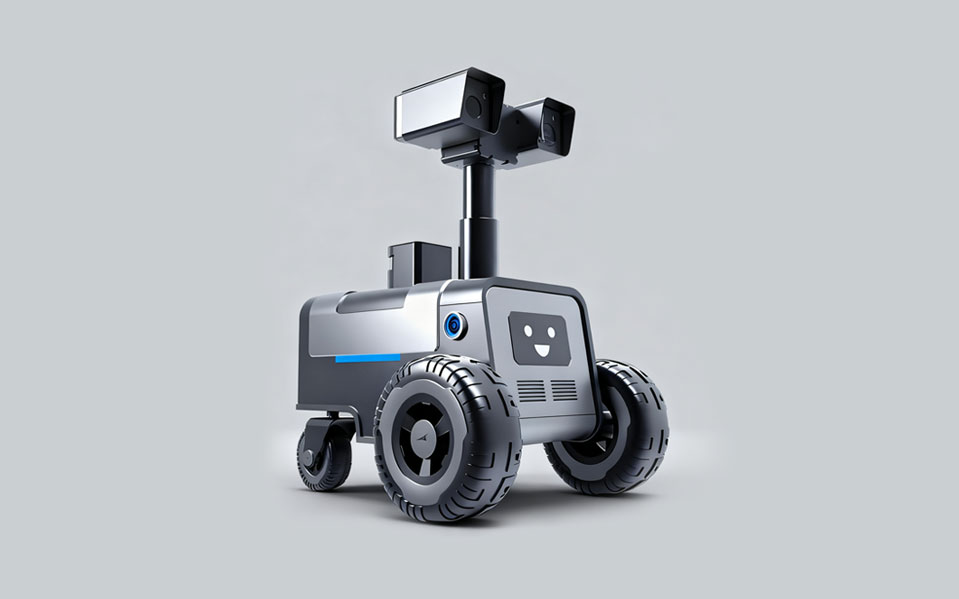
Physical Development: Deploy ROS nodes on embedded platforms such as Raspberry Pi and Jetson, connecting real sensors (e.g., IMU, depth cameras) and actuators (motors, servos), addressing practical issues such as communication latency and hardware driver adaptation.
Function Integration: Integrate modules such as perception (SLAM mapping), decision-making (navigation algorithms), and control (motor driving) into a coordinated working system, debugging data synchronization and timing issues between multiple modules.
This kind of "from 0 to 1" system practice can significantly enhance learners' engineering abilities (such as problem localization, cross-module collaboration, hardware-software coordination), which is one of the core skills most valued in the industry and research fields.