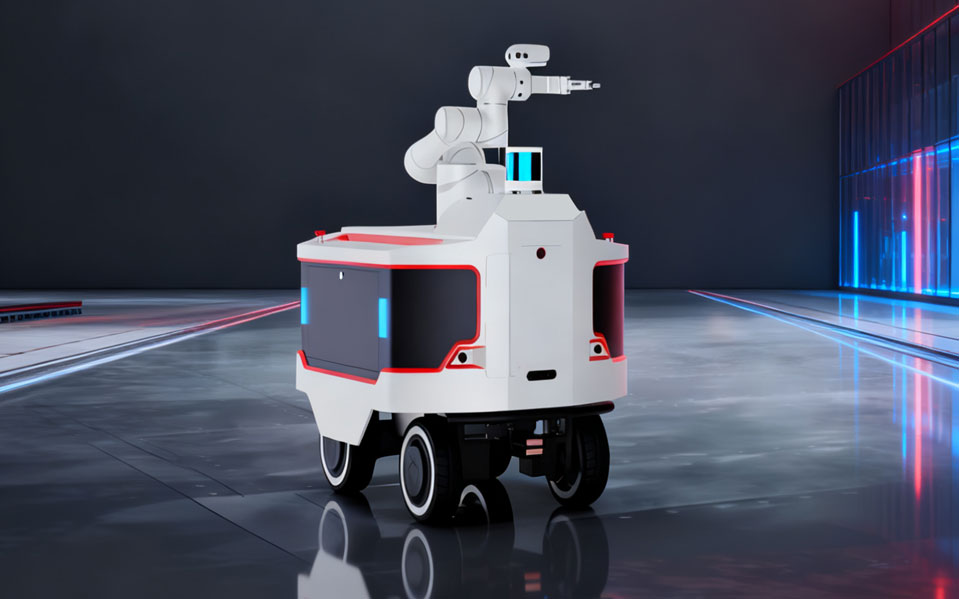
Robots are the product of the intersection of multiple disciplines such as mechanics, electronics, computer science, and artificial intelligence. As middleware, ROS naturally requires developers to possess interdisciplinary systems thinking. During the research and learning process, learners need to:
Understand the overall architecture of robots: from the perception layer (sensors) to the decision-making layer (algorithms) and then to the execution layer (actuators), clearly defining the division of responsibilities and dependencies at each stage, avoiding one-sided designs such as "focusing too much on algorithms while neglecting hardware" or "prioritizing functionality over reliability."
Balance theory and engineering requirements: for example, when choosing a SLAM algorithm, one must consider both accuracy (such as the high precision of Cartographer) and real-time performance (such as the lightweight nature of LSD-SLAM), and make trade-offs based on hardware capabilities (such as the CPU/GPU limitations of embedded platforms).
Collaboration and standardization: the distributed nature of ROS requires developers to follow unified interface specifications (such as message type definitions), which aligns with the industrial concepts of "modular development" and "standardized interfaces" and can help learners adapt to team collaboration modes in advance.
This systems thinking is key to solving complex robotics problems and is also an important marker distinguishing "junior developers" from "senior engineers."