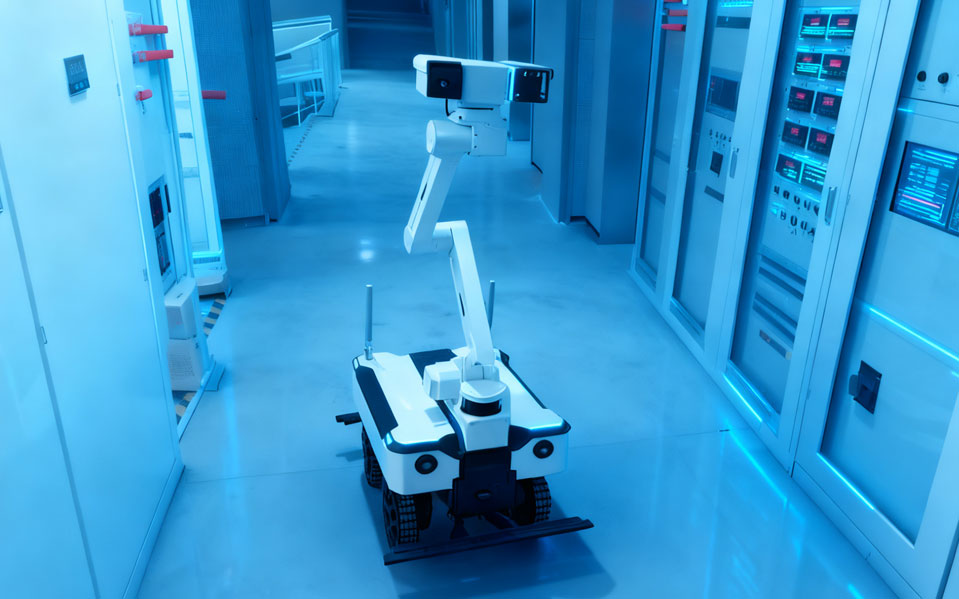
For students or enthusiasts, another important goal of ROS-based learning is to spark interest in robotics technology and cultivate comprehensive skills through hands-on practice:
Hands-on enjoyment: From assembling a small robot (such as TurtleBot3) to implementing autonomous obstacle avoidance, following, and other functions, the immediate feedback from tangible results can effectively boost learning motivation.
Problem-solving ability: During the debugging process (such as sensor data loss or node communication interruptions), learners need to resolve issues by consulting documentation, analyzing logs, and replicating scenarios. This 'debugging-iteration' process is essentially training in engineering thinking.
Cross-disciplinary perspective: Engaging with multidisciplinary knowledge such as mechanical structure design (e.g., URDF modeling), electronic circuits (e.g., wiring Raspberry Pi and sensors), and algorithm optimization (e.g., reducing CPU usage) broadens technical horizons and provides more possibilities for future career development (e.g., robotics algorithm engineer, system integration engineer).